Explore Key Arboriculture Techniques for Ideal Tree Well-being
Understanding tree care is crucial for maintaining a healthy environment. Important techniques including mulching and trimming are extremely important in encouraging strong tree growth. Furthermore, proper watering techniques are essential for root establishment. However, most people miss the signs of tree diseases and the value of professional arborists. Investigating these factors can foster a greater respect for trees and their care. What measures can be adopted to make sure their trees flourish?
Understanding the Importance of Tree Health
Recognizing the value of healthy trees is vital, as trees are instrumental in keeping nature balanced and enhancing urban environments. Strong trees assist with the quality of the air, give shelter, and support wildlife habitats. Trees also assist in reducing climate change by sequestering carbon dioxide, making them essential for a sustainable environment.
In city environments, healthy urban trees look better, raise the value of homes, and foster neighborhood health. Their presence can reduce the urban heat effect in cities, which saves money on energy.
Ignoring tree maintenance, conversely, can result in disease, pest infestations, and structural instability, posing risks to the trees and nearby structures alike. Therefore, identifying signs of a healthy tree, like the color of the leaves, how the tree is growing, and bark condition, is essential for effective management. Ultimately, fostering healthy trees supports not only private yards but also the broader ecosystem, stressing the importance for preventative maintenance and maintenance techniques.
Essential Pruning Techniques
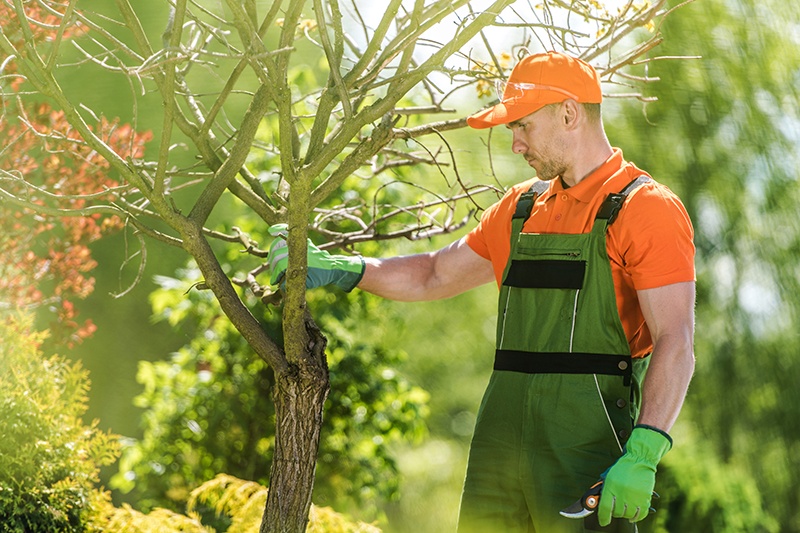
Pruning is an important practice in tree care that promotes strong growth and vitality, as it gets rid of sick or dead limbs and boosts ventilation within the canopy. Employing proper techniques ensures the trees can thrive in their environment.
A key method is "thinning," which means taking off certain branches to allow more light through and decrease stress on weaker parts. 'Heading cuts' are another method, where the ends of branches are snipped to promote bushier growth, especially in young trees. Additionally, the 'crown reduction' technique decreases the size and reach of a tree while maintaining its natural shape.
Proper timing is crucial; trimming when the tree is resting lessens the impact and ensures faster recovery. Equipment needs to be clean and honed to avoid damage and the spread of pathogens. Understanding these important pruning techniques is crucial for any tree care professional aiming to maintain healthy and aesthetically pleasing trees.
Spotting Frequent Tree Illnesses
How do tree owners identify the symptoms of frequent ailments that threaten their trees? Familiarity with key indicators is vital for quick spotting and action. Common indicators include discolored or wilting leaves, possibly indicating a fungus or insufficient nourishment. Abnormal formations, like cankers or galls, often point to pests or pathogens that compromise tree health. Additionally, bark shedding or sticky sap can be a sign of disease that need prompt care.
Owners must also monitor modifications to the tree's appearance, like premature leaf shedding or dead branches, suggesting a deeper, more serious issue. Monitoring for signs of insect infestations, such as holes in the bark or frass, is just as critical. By remaining vigilant and proactive, they can recognize these typical illnesses and seek appropriate remedies, making sure their trees stay strong and lively throughout the seasons.
Mulching's Importance for Tree Health
Mulching is a key technique in tree care, offering numerous benefits that foster robust growth and durability. This technique requires placing a covering of inorganic or organic matter surrounding the trunk, aiding in moisture retention, keeping weeds down, and moderating temperature fluctuations. This protective barrier doesn't just limit rivalry from competing weeds but also boosts the visual appeal of the area.
Moreover, materials like wood chips, for example, bark or chips, gradually decompose, adding vital nutrients to the soil and enhancing the soil's composition. This ongoing process supports root development and creates a more robust setting for the tree. Additionally, mulching can prevent soil erosion, which helps maintain the stability of the tree’s foundation. Properly applied mulch needs to be arranged in a donut shape, making sure it doesn't touch with the trunk to avoid rotting. In conclusion, incorporating mulching into tree care routines significantly aids to the sustained well-being of trees.
Optimal Watering Methods for Trees
Good tree maintenance demands not only mulching but also proper watering practices to ensure optimal growth and health. Trees, especially those recently planted, require steady hydration to develop robust root structures. It is vital to water deeply, as it encourages roots to grow downwards where moisture is more consistent. Ideally, trees ought to get approximately an inch of water per week, either via rain or additional watering.
It is best to water early in the morning to cut down on evaporation and the risk of fungus. It is important to avoid overwatering, which can lead to root rot and associated article other issues. The soil should be checked for moisture before watering; should the top two inches be arid, then watering is necessary. Additionally, utilizing drip irrigation or drip irrigation can provide a slow, steady supply of water, ensuring that trees receive adequate hydration without the risk of runoff. Correct watering methods greatly contribute to the total vitality of trees.
Hiring Professional Tree Services: When and Why
In evaluating the health and aesthetics of a property, hiring professional tree services is often vital for homeowners facing complex tree care needs. Trained arborists hold the expertise to determine tree vitality, spot illnesses, and apply successful remedies. Professionals are familiar with local regulations regarding tree removal and maintenance, making sure they comply and sidestepping fines
(Stillwater Tree Service)Homeowners should consider hiring professionals when dealing with large trees, specifically trees near homes or power lines, as mishandling creates safety hazards. Furthermore, trees requiring pruning for aesthetic or health reasons gain from the abilities of trained specialists who can execute precise cuts to stimulate new growth
Periodic maintenance, such as preparing for storms and clearing debris, also require expert help to ensure site security and appearance. Ultimately, engaging professional tree services makes certain trees get the best attention, thereby enhancing the entire outdoor space and real estate worth
Questions and Answers
What Are the Signs if My Tree Is Overwatered?
Symptoms of excessive watering are yellowing leaves, limpness though the soil is damp, decaying roots, and significant defoliation. Furthermore, the presence of fungal growth around the base may indicate poor drainage and saturated soil.
What's the Optimal Season for Tree Pruning?
The optimal period to prune trees is typically late winter to early spring before the onset of new foliage - Stillwater Tree Service. This timing promotes robust regeneration and lessens the impact on the plant, enabling rapid wound closure and maturation
Is It Possible for Trees to Survive Major Storm Damage?

It is possible for trees to bounce back after severe weather. With proper care, such as pruning damaged limbs and supplying necessary moisture and food, most trees will recover their vitality and continue to thrive following a stressful event.
How Do I Choose the Right Mulch for My Trees?
To choose the right mulch for trees, one should consider organic materials such as shredded bark or wood chips, apply it to a depth of 2-4 inches, and avoid piling mulch against the trunk to safeguard against rot.
Do Certain Tree Species Need More Attention Than Others?
Specific varieties, for instance, new plantings and orchard trees, need extra maintenance due to their sensitivity to environmental changes and specialized fertilization demands. Consistent observation and customized care routines are vital for their condition and development.